SLARI Convenes Stakeholders to Define Target Product Profiles and Market Segments for Yam in Sierra Leone
-
by
Slari Web Admin
- No Comments on SLARI Convenes Stakeholders to Define Target Product Profiles and Market Segments for Yam in Sierra Leone
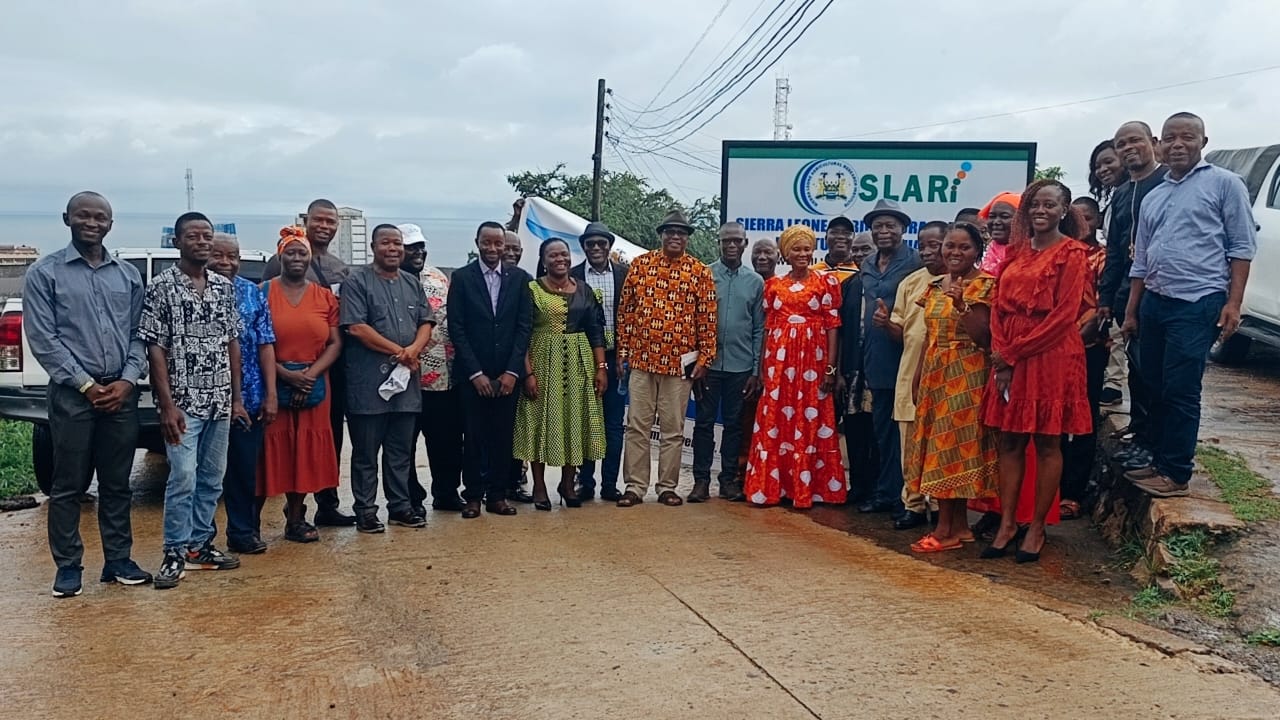
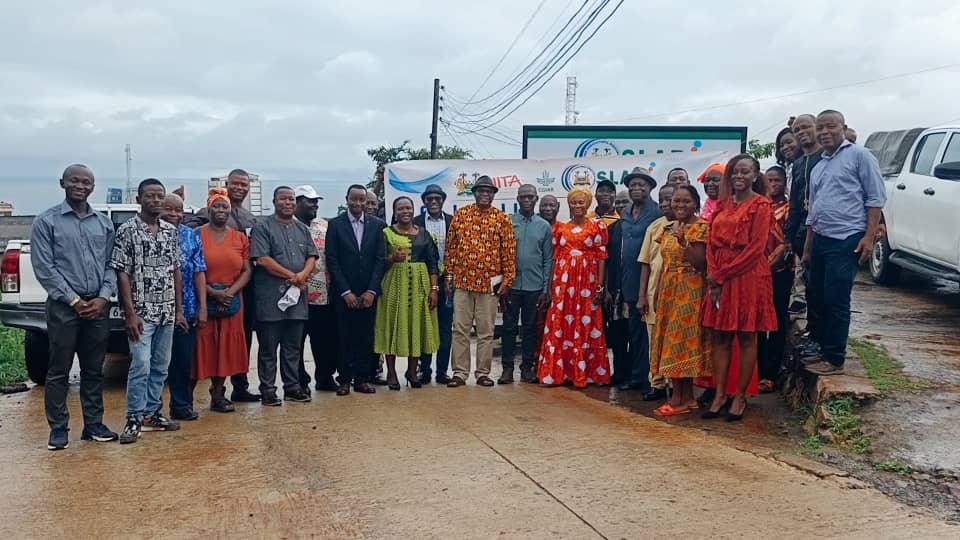
Freetown, Sierra Leone | 14 July 2026 – The Sierra Leone Agricultural
Research Institute (SLARI) in collaboration with the International Institute
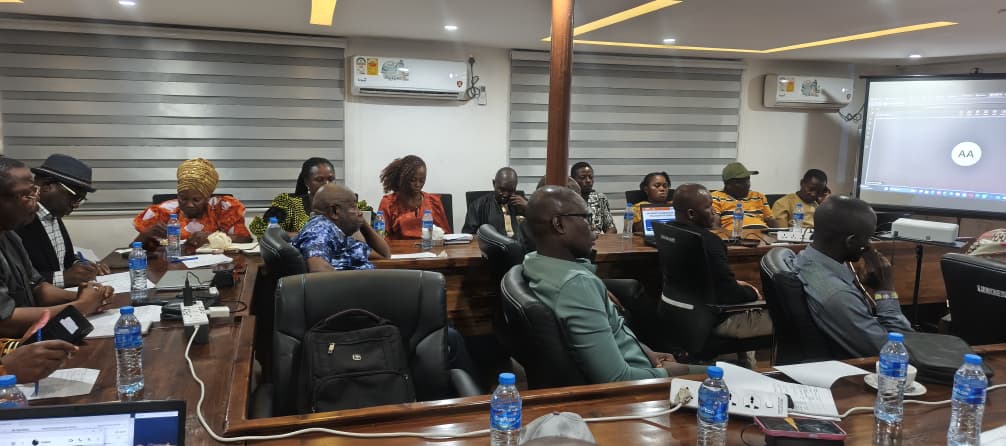
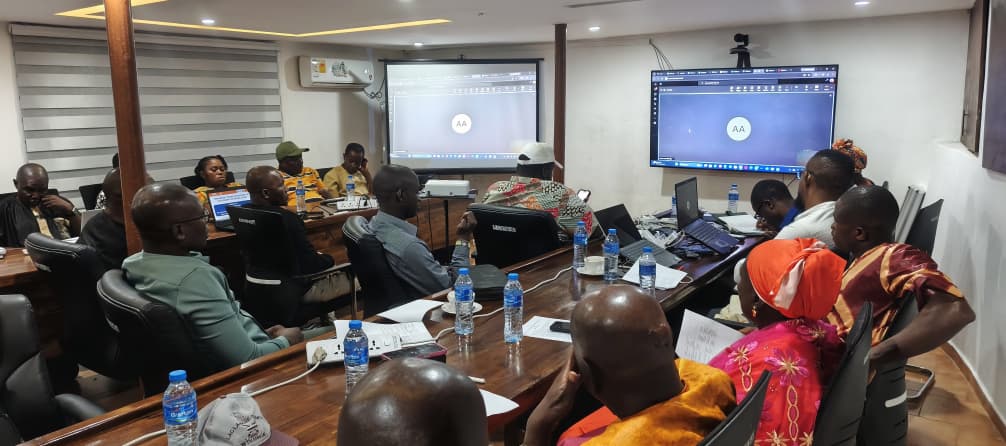
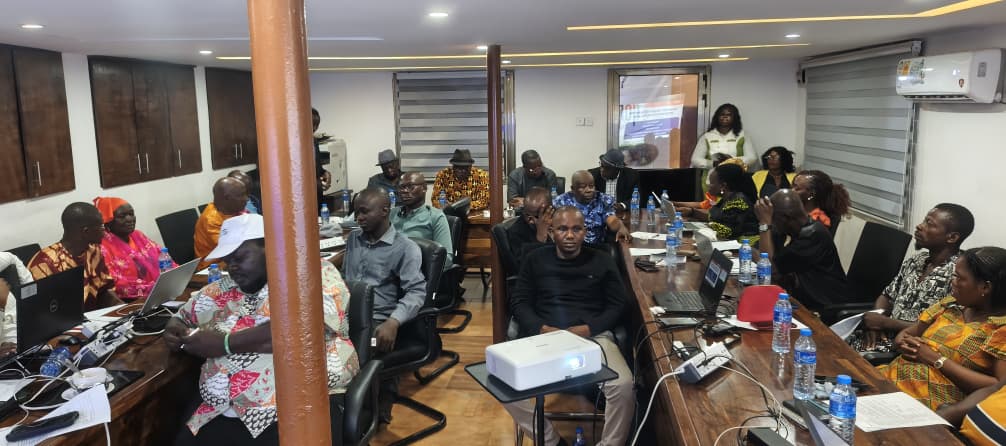
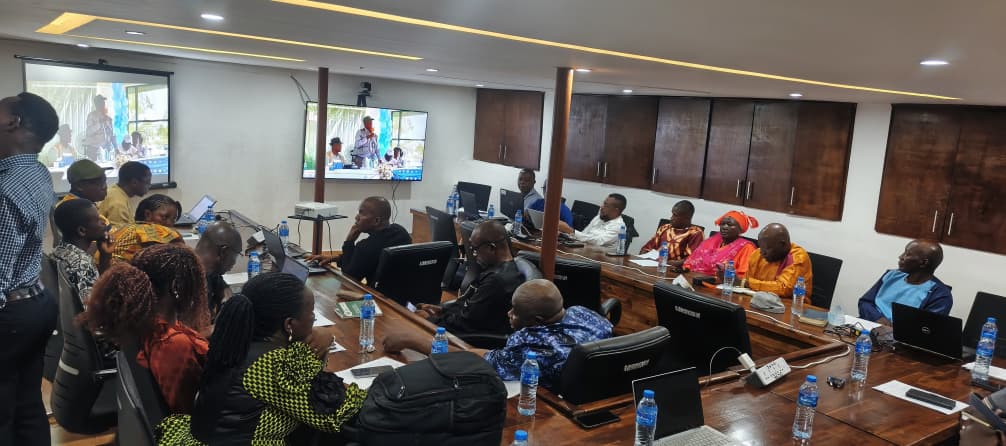
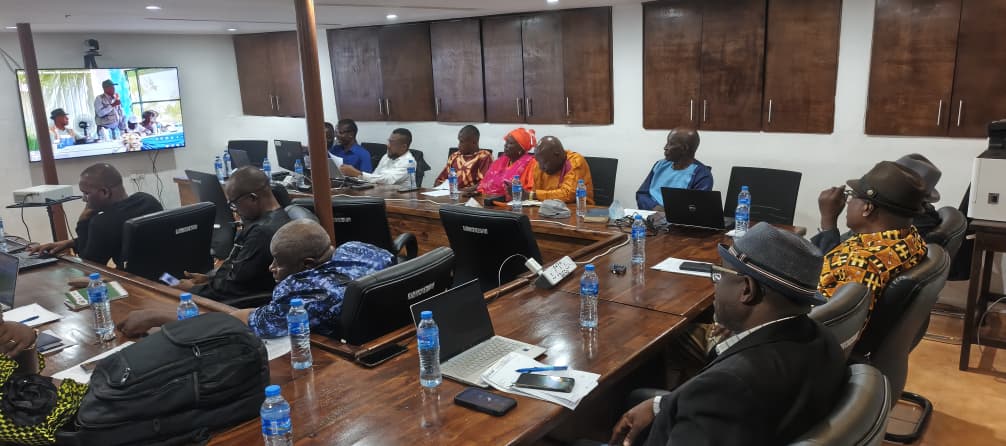
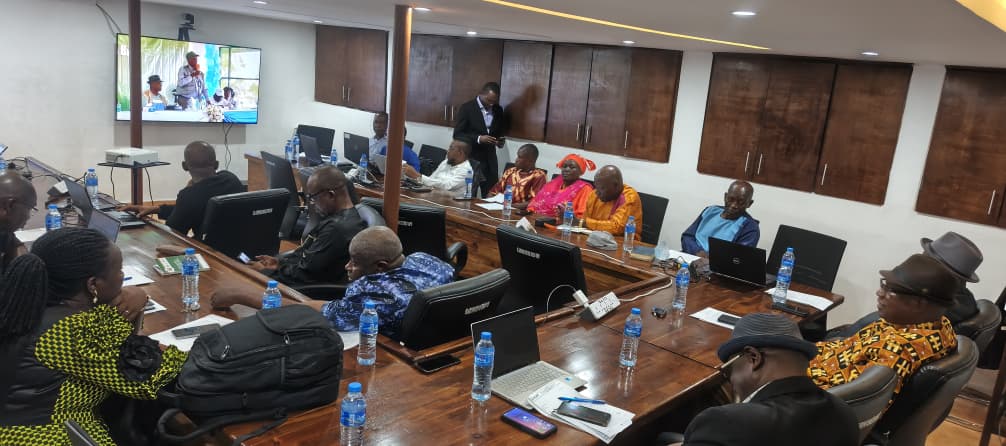
of Tropical Agriculture (IITA) successfully hosted a one-day Stakeholders’
Workshop on “Target Product Profiles (TPPs) and Market Segment Workshop for
Yam” at its Headquarters Conference Room, Tower Hill, Freetown.
The
workshop brought together a broad spectrum of stakeholders, including
representatives from the Ministry of Agriculture and Food Security (MAFS), Njala
University, development partners, farmer organizations, extension services, the
private sector, processors, marketers, and SLARI scientists. The gathering
provided a platform for participants to collectively identify market
opportunities and define the desirable characteristics of improved yam
varieties that meet the needs of producers, consumers, processors, and traders.
The
workshop forms part of ongoing collaborative efforts to strengthen Sierra
Leone’s yam value chain through demand-driven research and innovation. By
aligning breeding objectives with market needs, stakeholders aim to ensure that
future yam varieties are more productive, resilient, marketable, and responsive
to consumer preferences.
Delivering
the technical presentation, Dr. Prince E. Norman, Deputy Director
General for Research, Technology and Innovation Development at SLARI and Plant
Breeder, guided participants through the concepts of market segmentation and
Target Product Profiles (TPPs). He emphasized that modern crop breeding must be
driven by clearly identified market needs, ensuring that improved varieties
deliver value to farmers, processors, traders, and consumers alike.
Participants
discussed the different yam market segments in Sierra Leone by considering
agro-ecological zones, production systems, maturity periods, consumer
preferences, processing requirements, and market demand. The discussions
enabled stakeholders to identify priority market segments that will guide
future breeding programmes.
The
workshop also developed Target Product Profiles (TPPs), which define the ideal
characteristics of improved yam varieties for each identified market segment.
Priority traits discussed included early and intermediate maturity, high fresh
tuber yield, superior boiled and pounded yam quality, high dry matter content,
desirable tuber size and shape, extended shelf life, and resistance to major
diseases and pests such as anthracnose, mosaic virus, and nematodes.
Through
interactive discussions and technical validation, participants reached
consensus on priority product profiles that will serve as benchmarks for future
yam breeding programmes in Sierra Leone. The workshop also recognized the
potential for improved varieties developed in Sierra Leone to benefit
neighbouring countries, including Liberia and Guinea, thereby contributing to
regional agricultural development.
The
workshop reaffirmed the importance of collaboration among research
institutions, government agencies, development partners, the private sector,
and farming communities in delivering innovations that are farmer-centred,
market-oriented, and responsive to national development priorities.
Speaking
at the close of the workshop, participants commended SLARI for providing an
inclusive platform that strengthens collaboration among stakeholders while
advancing research that responds directly to market demand. They reaffirmed
their commitment to supporting the development and dissemination of improved
yam varieties capable of increasing productivity, improving food and nutrition
security, creating market opportunities, and enhancing farmers’ livelihoods.
The
outcome of the workshop guided SLARI’s yam breeding programme and will contribute
to the development of improved varieties that support the Government of Sierra
Leone’s Feed Salone Initiative, while reinforcing the Institute’s
mandate to generate agricultural technologies and innovations that transform
the country’s food systems and improve the livelihoods of farming communities.